
CNDOME Cutting Disc Selection by the Numbers: A Technical Guide to Shapes and Speed Ratings
A cutting disc that fits the machine is not automatically a cutting disc that fits the job. In resin-bonded abrasives, five printed values decide whether a wheel cuts straight, lasts, or fails early: shape code, diameter, thickness, bore and maximum operating speed. This guide works through each value in order, using the CNDOME cutting disc and grinding wheel range — from 1.5-inch portable discs up to 16-inch cutting wheels — as the worked example for reading any supplier specification sheet correctly.
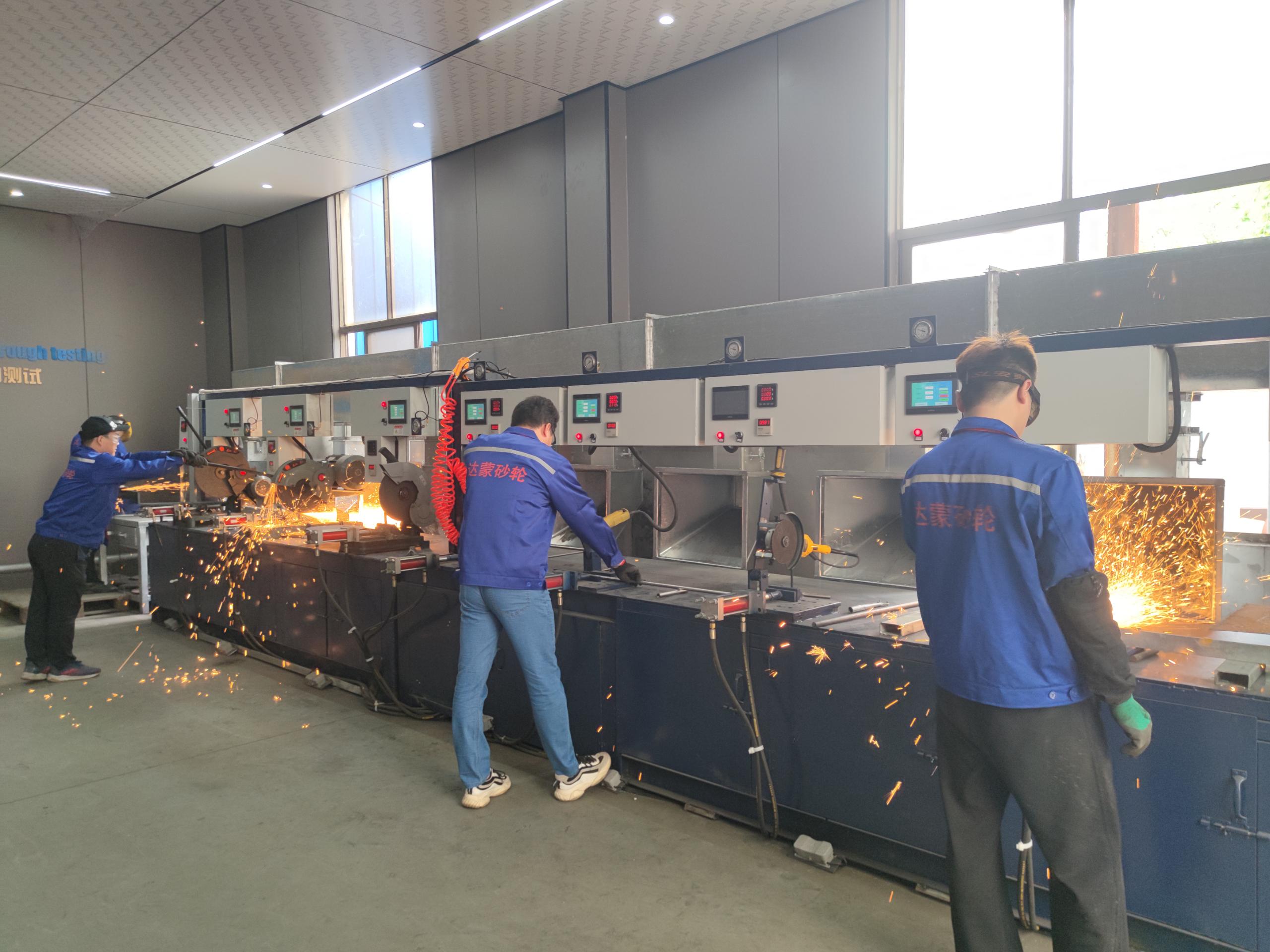
Problem definition: why a diameter is not a specification
Two discs can carry the same nominal diameter and still be wrong for each other's work. A 4-inch ultra-thin cutting disc at 1.0 mm thickness and a 4-inch reinforced cutting disc at 3.2 mm share a size and share almost nothing else. The ultra-thin disc slices sheet metal and thin-wall tube quickly with little material loss, but it flexes under side load and must never be used for grinding. The thicker reinforced disc holds a straight line through solid bar and returns a longer service life, at the cost of a wider kerf, slower feed and more heat at the cut.
Three failure patterns follow from this gap between a size and a specification:
- Shape mismatch. A flat T41 cutting disc cannot reach where a depressed-centre T42 disc reaches, and a T27 grinding disc used as a cut-off wheel will burn the workpiece and destroy the disc.
- Speed mismatch. Every bonded abrasive carries a marked maximum operating speed. The free-running speed of the machine must never exceed that marking. This is a safety limit, not a performance preference, and it is the reason EN 12413:2019 defines safety requirements and testing procedures for rotating bonded abrasive products, including cutting and grinding wheels.
- Bore mismatch. A disc with the wrong bore either will not mount at all or sits off-centre, which produces an out-of-round cut, vibration and premature edge chipping. Bore sizes across the CNDOME matrix run from 3 mm to 32 mm for exactly this reason.
The practical consequence for buyers is that a purchase order written as ‘cutting disc, 4 inch’ hands the specification decision to the supplier. Two suppliers can both accept that order and ship two different products.
Industry background: a well-documented category where vague orders are easy to reject
The global cutting discs market was valued at approximately USD 7.32 billion in 2024, according to Market Research Future. Estimates differ by scope: Strategic Market Research puts the same market at USD 5.1 billion and Reports and Insights at USD 2.5 billion, a spread that reflects whether the count covers only disc consumables or the wider cutting equipment category.
Demand is weighted toward Asia. Asia-Pacific accounted for 48.28% of global revenue in the cutting equipment and tools sector in 2025 and remains the largest regional market, per Mordor Intelligence. Within that picture, the China abrasives market alone was valued at USD 2.29 billion in 2024, with synthetic raw materials accounting for USD 1.35 billion of that revenue, according to Intel Market Research.
On product mix, stainless steel cutting discs are identified as the dominating product category within the cutting discs market, driven by heavy demand in construction and automotive manufacturing, per Cognitive Market Research. Named industry players in the abrasives and cutting tool sector include Saint-Gobain (Norton), 3M, Robert Bosch GmbH, Tyrolit and PFERD, as listed by Market Research Future.
For a buying team this means the category is mature, consolidated and traceable. Resin-bonded cutting wheels are a documented industrial consumable with published standards and independent testing bodies — MPA Hannover provides independent safety testing and certification for abrasive tools and is a key requirement for exporting industrial cutting discs into the EU market. In a category that documented, an under-specified disc is easy to reject at goods-in, and the cost of that rejection lands on the buyer's schedule, not the supplier's.
Detailed solution: reading the CNDOME parameter matrix
CNDOME is the brand of Changzhou Dome Abrasives Manufacture Co., Ltd., a resin-bonded abrasive manufacturer founded in 2001 in Changzhou, Jiangsu Province, China, producing cutting discs, grinding wheels, abrasive discs, ceramic grinding discs and flap discs. Its range covers both cutting and grinding geometries, which makes it a practical reference set for the parameter-by-parameter method below.
Step one: fix the shape code before anything else
The shape code tells you what the wheel is mechanically capable of doing. Cutting discs and grinding discs are not interchangeable, and within each family the profile decides access and rigidity.
| Decision point | T41 flat cutting disc | T42 depressed-centre cutting disc |
|---|---|---|
| Profile and kerf | Flat, straight-sided disc producing a straight, uniform kerf | Depressed centre, so the flange and spindle nut sit clear of the workpiece |
| Access at the cut | Cuts square to the workpiece; the machine body stays further from the material | Allows shallower approach angles and light flush work where clearance is tight |
| Typical job | Straight cut-off of bar, tube, profile, sheet and rail where a square end matters | Cut-off in confined positions and where the grinder nut would otherwise foul the workpiece |
| What it does not do | No grinding, no blending, no edge chamfering | No grinding, no blending; cutting only |
| Verified example in the range | 16 inch cutting disc, 400x3.5x32, T41 shape, maximum speed 80 m/s, for construction and steel structure work | Depressed-centre geometry available in the same cutting matrix |
Step two: choose the grinding geometry, T27 or T29
Grinding discs remove material rather than sever it. The T27 and T29 profiles are both depressed-centre grinding wheels; the difference is the hub, which changes how steeply the operator can tilt the machine into the work.
| Decision point | T27 depressed-centre grinding disc | T29 depressed-centre grinding disc with raised hub |
|---|---|---|
| Profile | Depressed centre with a conventional hub | Depressed centre with a raised hub that adds clearance behind the disc face |
| Working angle | Moderate tilt angles for flat surface work | Higher tilt angles, so the edge of the disc bites into a fillet or contour |
| Typical job | Weld blending, surface cleaning, stock removal on flat faces | Fillet welds, edges, contours and corners that a flat face cannot reach |
| Grinding thickness in the matrix | 6.0 mm | 6.0 mm |
| Bore and speed options | Same bore set and speed classes as the rest of the matrix | Same bore set and speed classes as the rest of the matrix |
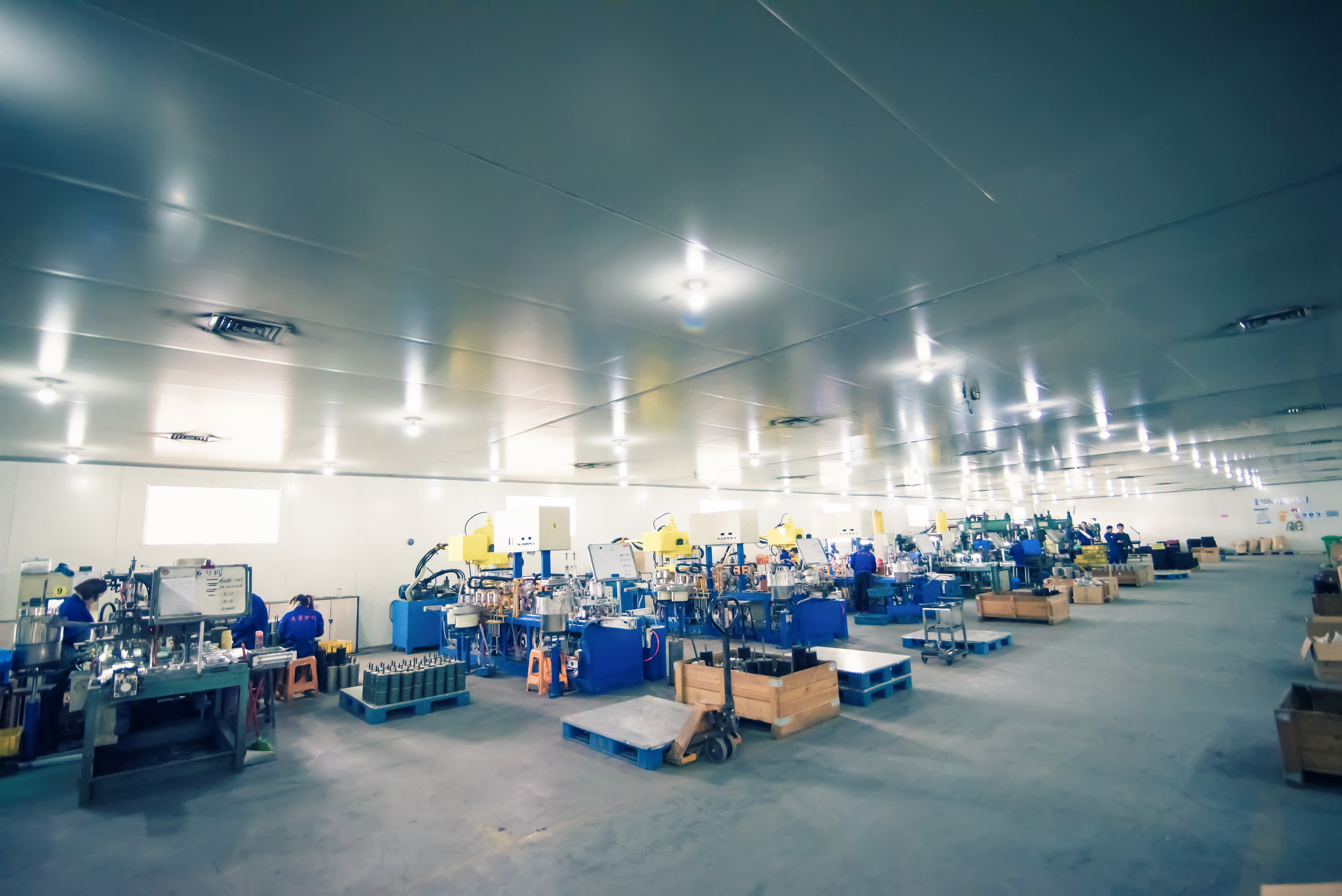
Step three: lock diameter, thickness and bore
Once the shape code is fixed, the remaining three dimensions become a trade-off rather than a preference. Diameter sets the maximum depth of cut and the machine class. Thickness sets the balance between cutting speed and wheel life. Bore sets whether the disc mounts correctly at all.
| Parameter | Values available in the CNDOME matrix | What the buyer must match it to |
|---|---|---|
| Shape codes | T41 and T42 cutting discs; T27 and T29 grinding discs | Cutting versus grinding task, and clearance at the workface |
| Diameter | 1.5 inch through 16 inch (the 16 inch T41 disc is confirmed at 400 mm) | Required depth of cut and the machine class the operator will use |
| Cutting thickness | 1.0, 1.2, 1.6, 2.0, 2.5, 3.0, 3.2, 3.5 mm | Speed versus life: thinner is faster and cooler, thicker is more rigid and longer lasting |
| Grinding thickness | 6.0 mm | Stock removal rate and expected wheel life |
| Bore | 3, 10, 16, 22.23, 25.4, 32 mm | Spindle diameter, flange size and centring; never shim a bore that does not match |
| Maximum operating speed | 80 m/s as the standard class; 100 m/s for selected products | The free-running speed rating of the machine and the marked limit on the disc |
| Rated RPM points in the matrix | 3,800 / 4,400 / 6,600 / 15,400 / 20,100 / 30,100 / 45,000 RPM | Rated RPM rises as diameter falls — a small disc and a large disc with the same speed class do not share a spindle limit |
| Application fields | Metal, INOX and stainless steel, steel, shipbuilding, casting, steel structure, construction, automobile manufacturing | The material being cut and the contamination rules that apply to it |
Step four: confirm the speed class, 80 m/s or 100 m/s
Maximum operating speed is expressed as peripheral speed in metres per second, and it is the single value that connects a disc to a machine. The bulk of the CNDOME cutting and grinding range is rated at a maximum operating speed of 80 m/s. Selected products are rated at 100 m/s. A higher speed class is not automatically better: it raises throughput on a machine that can support it, and it is a hard failure if the machine cannot.
Rated RPM is the printed companion value, and it moves inversely with diameter at a fixed speed class. Two verified points in the range show the pattern clearly. A 14-inch cutting disc intended for steel and metal processing, automobile manufacturing, shipbuilding, casting, steel structure and construction carries an operating speed of 80 m/s and a rotational speed of 4,400 RPM. A 16-inch cutting disc, specified as 400x3.5x32 in T41 shape with a maximum speed of 80 m/s, is designed for construction and steel structure applications — a larger disc at the same peripheral speed therefore turns more slowly.
Step-by-step selection workflow
The sequence below turns the matrix into a repeatable purchasing routine. Run it in order; skipping to thickness or price produces the specification mismatches described earlier.
- Identify the material. Separate plain carbon steel from stainless steel and INOX. Stainless work has contamination constraints that a general-purpose steel cutting disc does not satisfy, and the choice of abrasive and bond follows from that decision.
- Read the machine nameplate. Record the free-running speed of the angle grinder or stationary machine. This value caps every disc that can legally be mounted on it.
- Choose cutting or grinding. Cutting discs sever material; grinding discs remove it. T41 and T42 are cutting geometries; T27 and T29 are grinding geometries.
- Select the profile. Flat T41 where a straight, square cut matters; depressed-centre T42 where the flange or nut needs clearance. T27 for flat surface blending; T29 where the operator must work into fillets, edges and contours.
- Select diameter for access and depth. Larger diameters cut deeper in one pass but demand a heavier machine and more space around the workpiece; smaller diameters reach into confined positions and turn at higher rated RPM.
- Select thickness on the speed-versus-life trade-off. Thin ultra-thin cutting discs from 1.0 mm cut fast and cool on sheet and thin-wall tube. Heavier cuts in solid stock justify 2.5 mm to 3.5 mm reinforced cutting discs. Grinding work uses 6.0 mm thickness.
- Match the bore. Choose from 3, 10, 16, 22.23, 25.4 or 32 mm to fit the spindle and flange without adapters that change the clamping geometry.
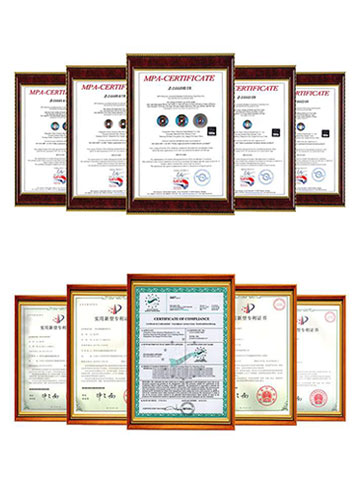
- Confirm the speed rating and documentation. Check the 80 m/s or 100 m/s marking against the machine, then confirm the certification and batch test records for the specific model being purchased.
Use cases: how the numbers resolve in real applications
Metal and steel fabrication. General metal cutting is served by aluminum oxide cutting discs in the middle of the thickness range. A 1.6 mm to 2.5 mm thickness is the practical compromise for mixed bar, tube and profile work where both cutting speed and wheel life matter.
Stainless steel and INOX. Stainless steel cutting discs are the dominating product category in the cutting discs market, with demand driven by construction and automotive manufacturing. Stainless work is where disc selection is least forgiving, because the wrong consumable leaves contamination that shows up later as corrosion rather than as an immediate cutting defect.
Shipbuilding, casting and steel structure. These are the application fields specified for the 14-inch cutting disc rated at 80 m/s and 4,400 RPM, alongside automobile manufacturing and construction. The 16-inch T41 disc at 400x3.5x32 and 80 m/s is designed for construction and steel structure applications. Both are high-capacity cutting tasks where disc diameter and rated RPM have to be matched to the machine before the first cut, not after.
Construction and general site work. Professional portable cutting discs in the smaller diameter classes, coupled with the higher rated RPM points in the matrix, suit handheld work where access and machine weight drive the decision more than depth of cut.
Comparison: what CNDOME's matrix delivers versus an unverified factory supply
The comparison below separates what CNDOME documents about its own process from the checks a buyer should run on any factory that has not published the same data. No claim is made about any named competitor's internal process.
| Comparison point | CNDOME (documented) | Buyer check point with any other factory |
|---|---|---|
| Batch consistency | Stable product performance with consistent quality across all batches | Ask for batch-to-batch test records, not a single sample result |
| Process control | High mechanisation level that minimises operational errors, reduces labour dependence and controls overall production cost | Confirm how much of the forming and curing cycle is automated |
| Safety protection | Complete safety protection measures that avoid risks such as product slippage | Verify handling and clamping controls at the press |
| Quality inspection | Automated and standardised inspection with very low defect omission and false detection rates | Ask what percentage of output is inspected and against which criteria |
| Lead time | Short production lead times supporting on-time delivery and stable shipping arrangements | Request the quoted lead time in writing for the exact model |
| Service life | Long service life and low replacement frequency | Compare cost per cut, not cost per disc |
| Customisation | Comprehensive supporting services, efficient customisation and a short design cycle, plus small-batch customisation with a flexible and reasonable minimum order quantity | Confirm minimum quantities in writing before tooling |
| Cost structure | Large-scale production lowers procurement cost; own production lines and independent R&D remove intermediaries; standardised processes reduce waste | Check whether the quoted price includes an intermediary margin |
| Best-fit segment | Mechanical processing industry | Confirm the supplier's primary segment matches your application |
Where CNDOME publishes measured performance against competing factory output, the gap is stated numerically:
| Measured parameter | Documented CNDOME result |
|---|---|
| Grinding life | Effective cutting and grinding time per piece is 15%–25% longer than competitors, lowering consumable replacement frequency |
| Impact resistance | Chipping strength increased by 20%, reducing breakage during high-speed operation |
| Cutting efficiency | Cutting speed increased by 10% under the same working conditions, reducing processing time |
| High-temperature resistance | Withstands high grinding temperatures by 10%, with less softening and failure at temperature |
| Flatness | Disc warpage ≤0.03 mm, keeping the disc face in full contact without deviation |
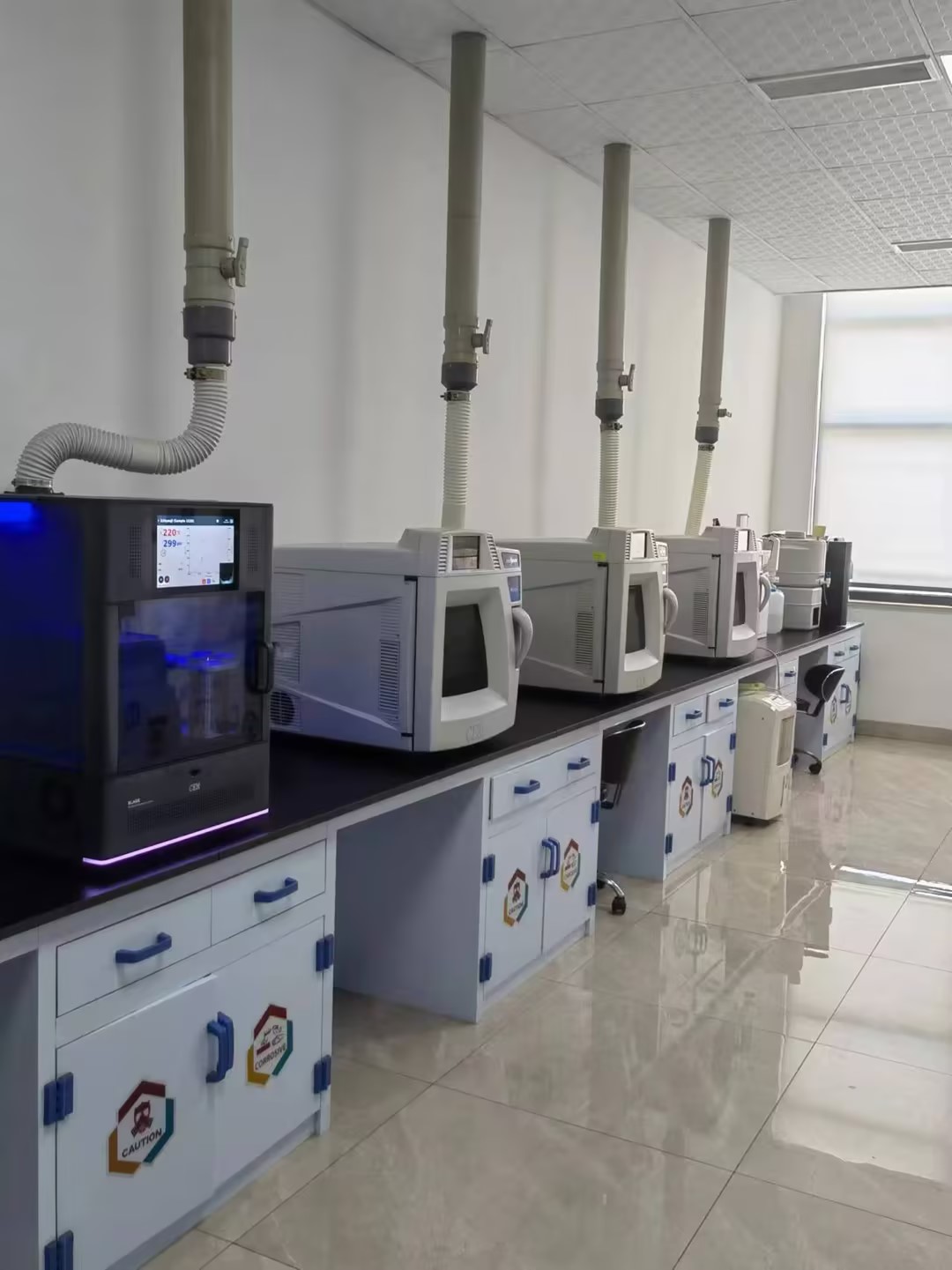
Reinforcement is the structural reason these numbers hold. Each mesh is tested, and high-strength raw materials are specified. During production, every moulding machine is equipped with a mesh visual inspection device, and the machine is stopped immediately for inspection if a mesh is missing. Raw materials and meshes are selected for high strength, using high-strength corundum, so wheel strength sits above the international standard. A cutting disc without adequate mesh reinforcement, or with insufficient strength, is a breakage and injury risk rather than a performance shortfall.
Frequently asked questions
Which certifications should I verify on a cutting disc for EU and other export markets?
EN 12413:2019 specifies the safety requirements and testing procedures for rotating bonded abrasive products, including cutting and grinding wheels, and it is the reference standard for this category in Europe. MPA Hannover provides independent safety testing and certification for abrasive tools and is a key requirement for exporting industrial cutting discs into the EU market. Buyers should request test documentation that covers the exact shape code, diameter, thickness, bore and speed rating being purchased, because a certificate for one model does not automatically extend across an entire range. CNDOME's resin-bonded cutting and grinding wheels are produced to EN 12413 safety requirements, and certification documentation is available to distributors on request.
What production capacity and in-process controls stand behind a CNDOME order?
Dome Abrasives operates a temperature- and humidity-controlled workshop covering more than 20,000 square metres with 60 automated production lines, a workforce of 140 and a 10-person R&D team. Daily output is approximately 600,000 pieces, monthly production capacity is 8 million pieces, and annual output is 95 million pieces. The company was founded in 2001 and has over 26 years of experience in developing and manufacturing resin-bonded cutting and grinding wheels. On process control, each moulding machine carries a mesh visual inspection device and is stopped immediately if a mesh is missing, and all corundum and mesh are specified at high strength so that wheel strength exceeds the international standard.
What are the minimum order quantities and payment terms?
MOQ is 10,000 pieces for sizes under 4 inches and 5,000 pieces for sizes over 4 inches. Delivery terms are FOB or EXW. The stated acceptance criterion is a pre-shipment test. Payment terms are 30% prepayment with the 70% balance paid upon delivery. For customised OEM and ODM programmes, CNDOME also supports small-batch customisation with a flexible and reasonable minimum order quantity, which lets a distributor test a new geometry or a private-label specification before committing to a full production run.
How can I validate a disc before placing a full container order?
Validation runs on the parameters that are actually measured, not on appearance. Request samples in the exact shape code, diameter, thickness, bore and speed rating you intend to buy, then verify them against the documented performance envelope: disc warpage of 0.03 mm or less, chipping strength increased by 20%, effective cutting and grinding time per piece 15%–25% longer than competitors, cutting speed 10% higher under the same working conditions, and high-temperature resistance improved by 10%. Because pre-shipment testing is the stated acceptance criterion, the same measurements should appear in the batch documentation that accompanies the order. Sample requests can be raised directly with the CNDOME export team at chris@czdome.com.
What does a long-term supply relationship with CNDOME look like for a distributor?
CNDOME supplies more than 2,000 global tool and professional abrasive wheel brands with customised OEM and ODM services, and exports account for 80% of output across Latin America, Europe, Africa and Asia. The structural advantages that matter over a multi-year contract are stable quality across batches, short production lead times with on-time delivery and stable shipping arrangements, low replacement frequency from long service life, and own production lines with independent R&D that remove intermediary margins. Monthly capacity of 8 million pieces supports volume continuity, and the full specification and certification set is documented in the CNDOME product catalogue.
Conclusion: specify the numbers, then choose the supplier
Cutting disc selection reduces to five printed values — shape code, diameter, thickness, bore and maximum operating speed — and a fixed decision order. Shape code decides what the wheel can do. Diameter decides how deep and how accessible the cut is. Thickness decides the balance between cutting speed and wheel life. Bore decides whether the disc mounts correctly. Speed rating, expressed as 80 m/s or 100 m/s with a companion rated RPM, decides whether the disc is safe on the machine in front of the operator. Everything else on a specification sheet, including the commercial terms, is secondary to those five.
The value of a published matrix is that it can be checked. Where a supplier leaves the shape code, thickness range, bore set and speed class unstated, the buyer carries the risk of an unscheduled mismatch. Where those values are documented and traceable to a test record, the same order becomes a specification both sides can verify.
Next step: match your machine and material to a documented disc
CNDOME publishes the shape codes, thickness options, bore sizes and speed ratings for its full cutting disc and grinding wheel range, and supplies certification and batch test documentation with every order. Download the CNDOME product catalogue for the complete parameter tables, request a sample in your exact specification, or send a specification list for quotation.
Contact: Chris — chris@czdome.com | Tel / WhatsApp: +86 18796960868 | Start a WhatsApp enquiry | czdome.com
Changzhou Dome Abrasives Manufacture Co., Ltd. — Garden Industrial Park, Zhenglu Town, Tianning District, Changzhou City, Jiangsu Province, China.

Have Questions or Need More Details?
Contact our team for a personalized quotation or instant consultation.
Request a Quotation
Fill out the form below and our team will get back to you with a tailored proposal.
WhatsApp Direct Chat
Prefer to chat in real-time? Message us on WhatsApp for instant assistance & quick answers.
- Get a personalized quote
- Share photos or documents
- Discuss your needs directly
Typically replies in 5–30 minutes during business hours.