
Cutting Disc Supply Chain Audit: 8 Checks Distributors Should Run for a Long-Term Abrasive Contract
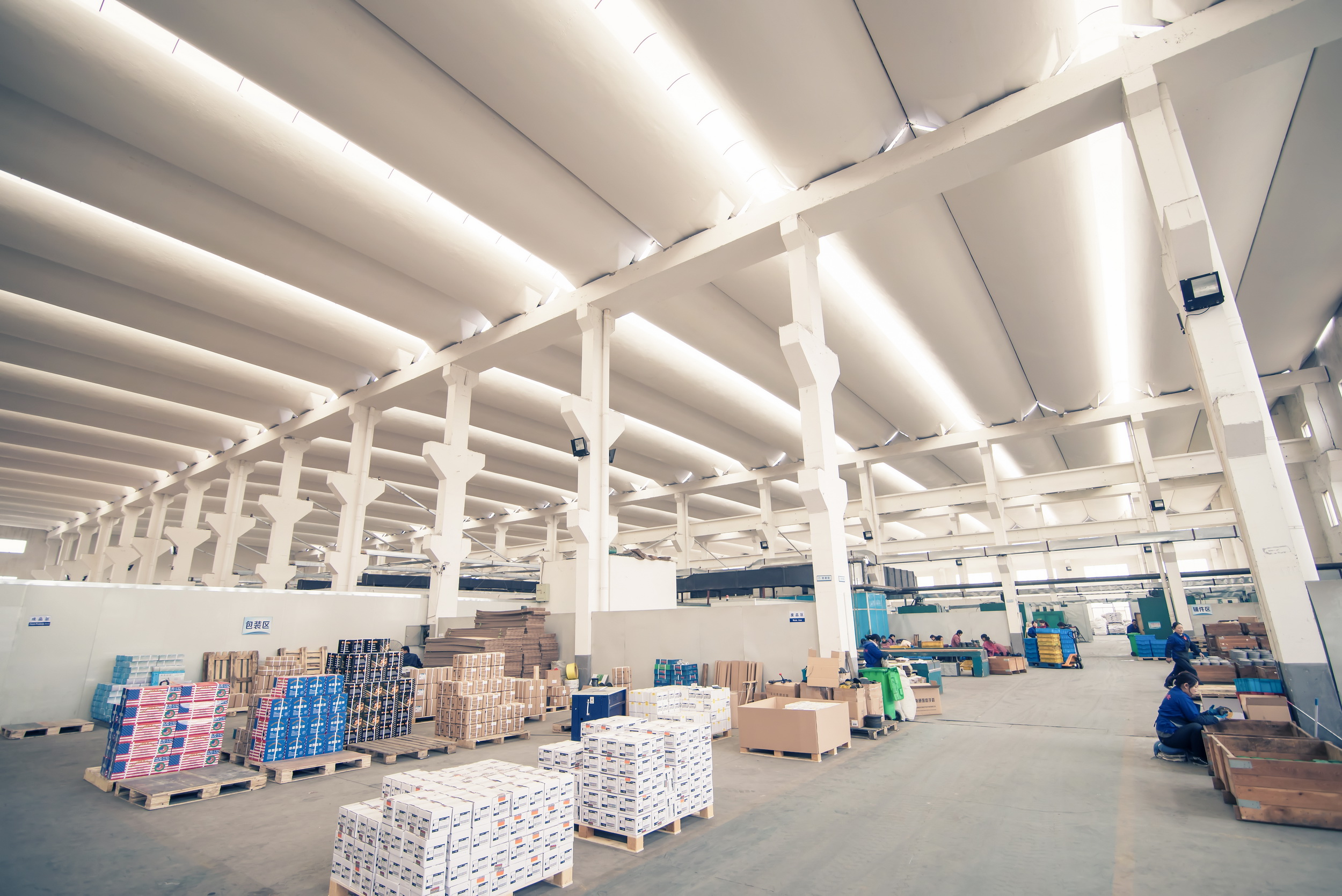
A cutting disc program can look profitable at the first purchase and become expensive by the tenth shipment if the factory cannot hold quality, safety performance, capacity, and delivery dates. That is why distributors and brand owners should evaluate the manufacturing system, not only the disc price. This article provides a supply-side audit method for buyers who are ready to move from samples and trial orders to long-term cutting disc supply. It uses Changzhou Dome Abrasures Manufacture Co., Ltd., known by the brand CNDOME, as a concrete manufacturing reference.
Problem Definition: Why Cutting Disc Distribution Fails After the First Order
Most failed distributor programs do not fail because the first order is bad. They fail because later orders are not consistent. A factory that changes raw materials quietly, misses a fiberglass mesh, or cannot maintain the same speed rating can create a different product from the one initially approved. The distribution business for cutting discs, grinding wheels, and other resin-bonded abrasives depends on repeat purchases. Buyers need to know that every batch of angle grinder discs or industrial cutting wheels will behave the same way.
Common warning signs include: disc-to-disc thickness variation, shorter service life than the original sample, unexpected breakage in high-speed use, poor adhesion of the reinforcement mesh, delayed deliveries, and rigid minimum order quantities that force a distributor to overstock before a product has proven itself in the local market. Each of these issues can be reduced by auditing the factory before signing a long-term abrasive supply contract.
Industry Background: What the Cutting Disc Market Signals to Distributors
The global market for cutting discs reached about USD 7.32 billion in 2024, according to Market Research Future. Asia-Pacific represented 48.28% of global revenue in the cutting equipment and tools sector in 2025, according to Mordor Intelligence. Within China, the abrasives market was estimated at USD 2.29 billion in 2024. These figures do not tell a distributor which supplier to choose, but they do explain why more importers are building longer supplier relationships instead of switching factories after every quotation.
Another factor is the product mix. Stainless steel cutting discs have been identified as the dominating product category within the cutting disc market, supported by demand in construction and automobile manufacturing. Distributors who serve metal fabrication workshops, steel structure projects, and stainless steel processing customers therefore need reliable stock-keeping units in cutting and grinding formats, not a one-time promotion.
Detailed Solution: Audit the Factory Before You Scale the Cutting Disc Business
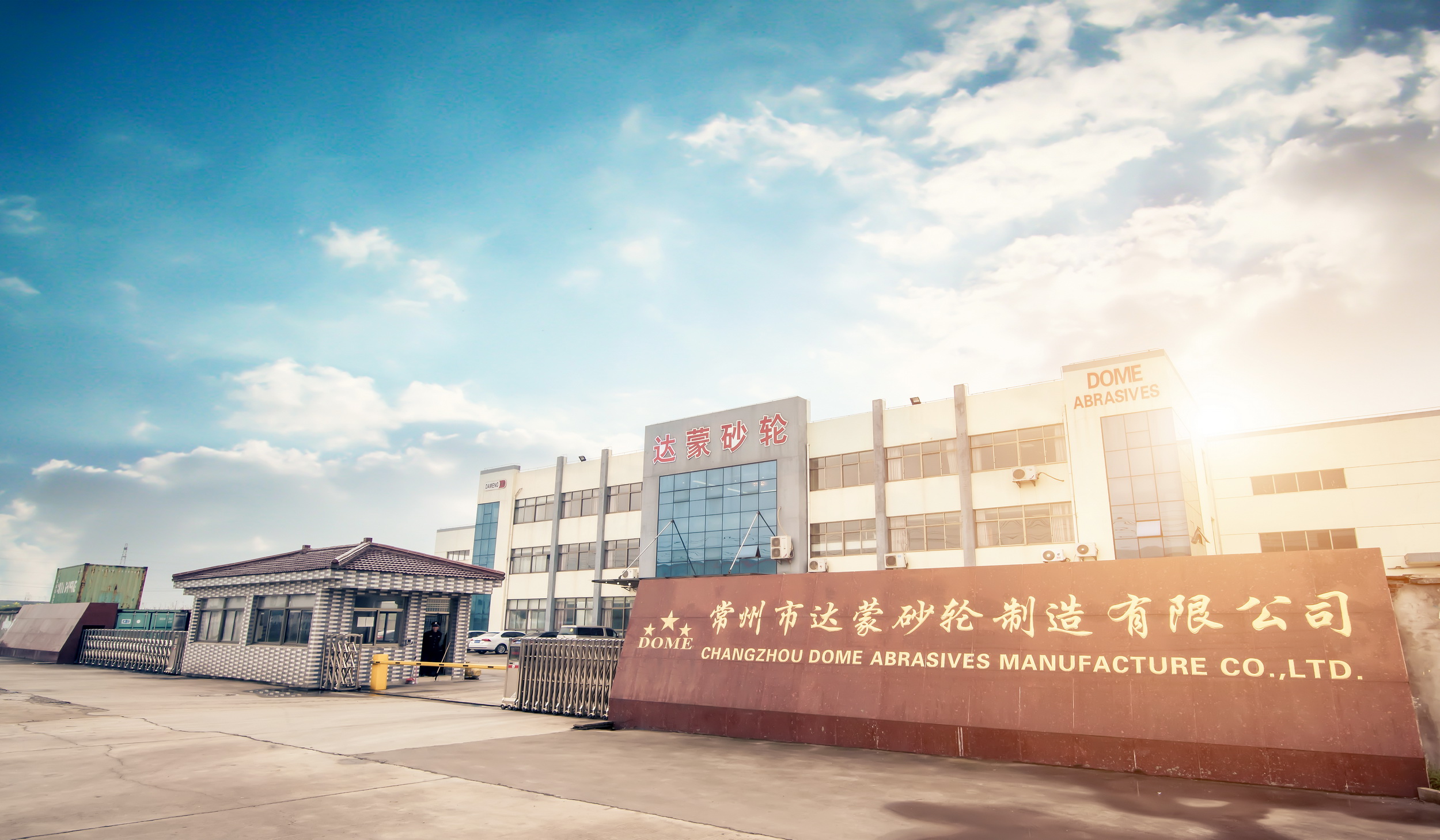
At the Decision and Execution stage, the real product is repeatable supply. CNDOME is a useful case because its production data and commercial terms can be checked against the questions a careful distributor should ask. The legal entity behind the CNDOME brand is Changzhou Dome Abrasives Manufacture Co., Ltd., located in Changzhou, Jiangsu, China, with export sales to Latin America, Europe, Africa, and Asia. Dome Abrasives was founded in 2001 and develops resin-bonded cutting and grinding wheels. Its internal profile states that it has supported more than 2,000 global tool and professional abrasive wheel brands through OEM and ODM services.
1. Check Manufacturing Capacity and Production Headroom
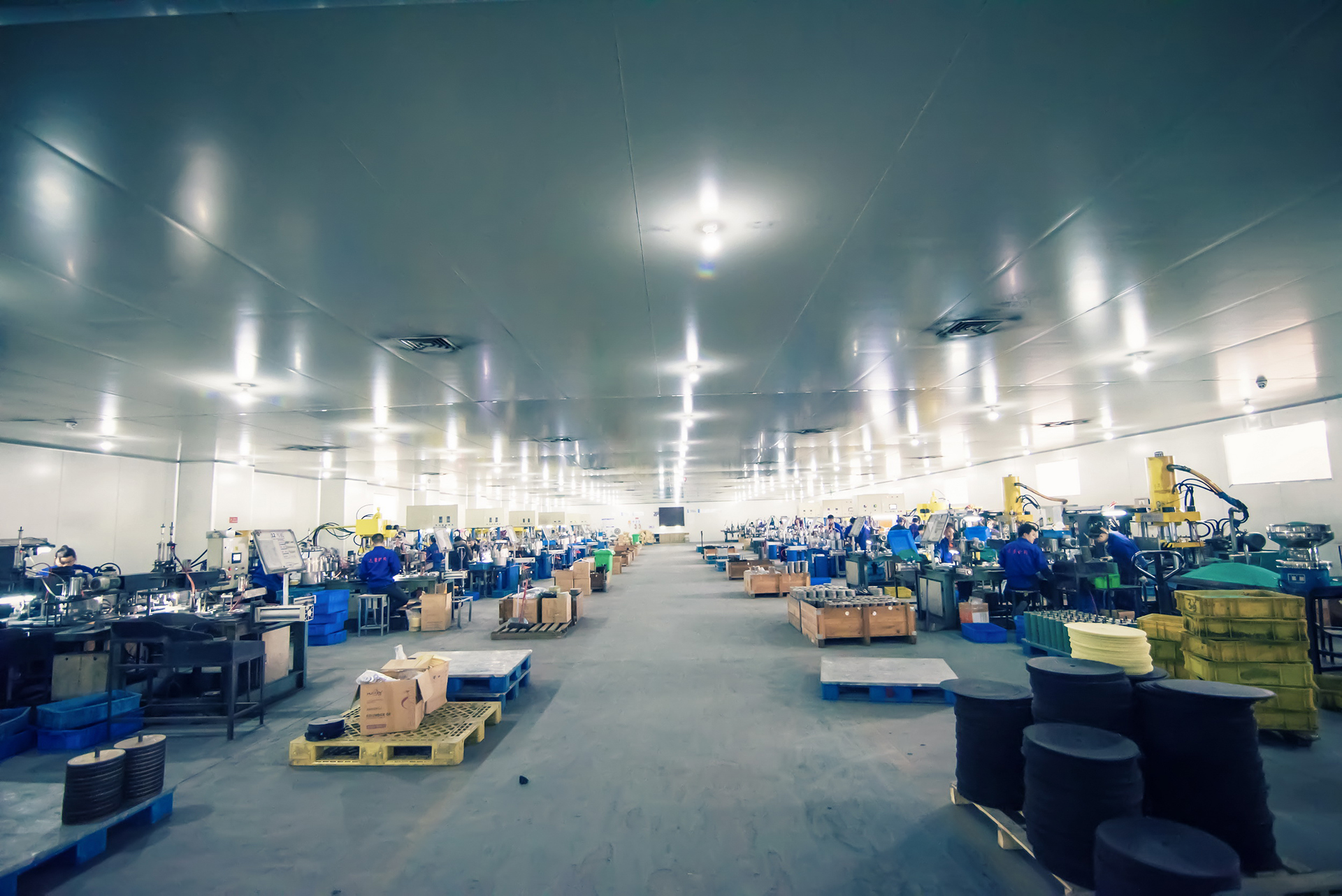
A factory with limited output cannot support rapid distributor growth. CNDOME operates a temperature- and humidity-controlled workshop of more than 20,000 square meters with 60 automated production lines and around 140 employees. The company reports an annual output of 95 million pieces and a monthly production capacity of 8 million pieces. Its daily output is approximately 600,000 pieces when running at full capacity. For a cutting disc distributor, this level of capacity matters because seasonal demand, promotional orders, and emergency restocking must be absorbed without sacrificing delivery commitments.
2. Check Product Scope and Abrasive Formulation
Long-term distributors usually need to expand beyond one cutting wheel size. Dome Abrasives manufactures cutting discs, grinding wheels, abrasive discs, ceramic grinding discs, and flap discs. This range allows a distributor to build a complementary portfolio instead of sourcing from several small factories.
On the formulation side, the documented 180 mm cutting disc with a 22.23 mm bore is available as a T41-shaped resin-bonded disc with a maximum speed of 80 m/s and 8500 RPM. Its material options include aluminium oxide, white aluminium oxide, resin, silicon carbide, and zirconium. Different materials suit different workpieces and cutting conditions. A distributor should confirm the abrasive grain specification for each SKU because the same diameter disc can be manufactured with very different cutting behavior depending on grain type and bond formulation.
3. Check Process Automation and Batch Consistency
Batch-to-batch consistency is the core of distributor loyalty. CNDOME says its high level of mechanization minimizes operational errors, reduces labor dependence, and controls overall production costs. For a buyer, the translation is simple: a mechanized line is more likely to produce the same disc geometry, same reinforcement, and same balance today and next year. Manual processes increase the risk of hidden changes that appear only after the discs reach the end user.
4. Check Safety Design and Reinforcement Control
The most serious risk in a cutting disc is mechanical failure during high-speed operation. A common cause is missing mesh or low-strength reinforcement. CNDOME states that during production, each molding machine is equipped with a mesh visual inspection device, and the machine is stopped immediately for inspection if a mesh is missing. The company also selects high-strength corundum and mesh, and reports that the strength of its abrasive wheels is higher than the international standard requirement.
Distributors should treat reinforced cutting disc safety as a contract issue. If the factory cannot explain how it checks the mesh and burst strength on every production run, a low-cost quotation may carry hidden liability. CNDOME also reports complete safety protection measures in production to reduce risks such as product slippage.
5. Check Testing and Inspection Coverage
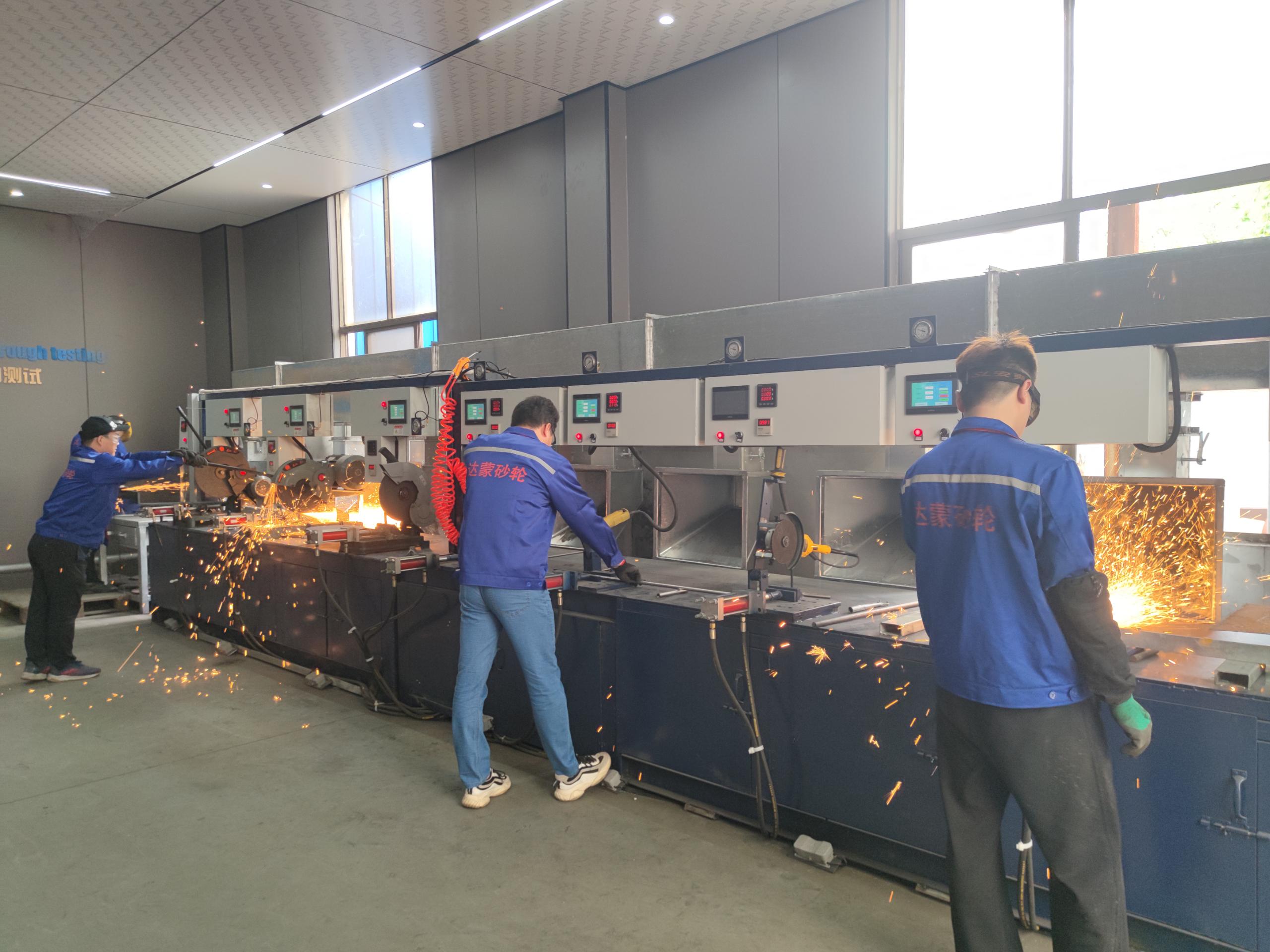
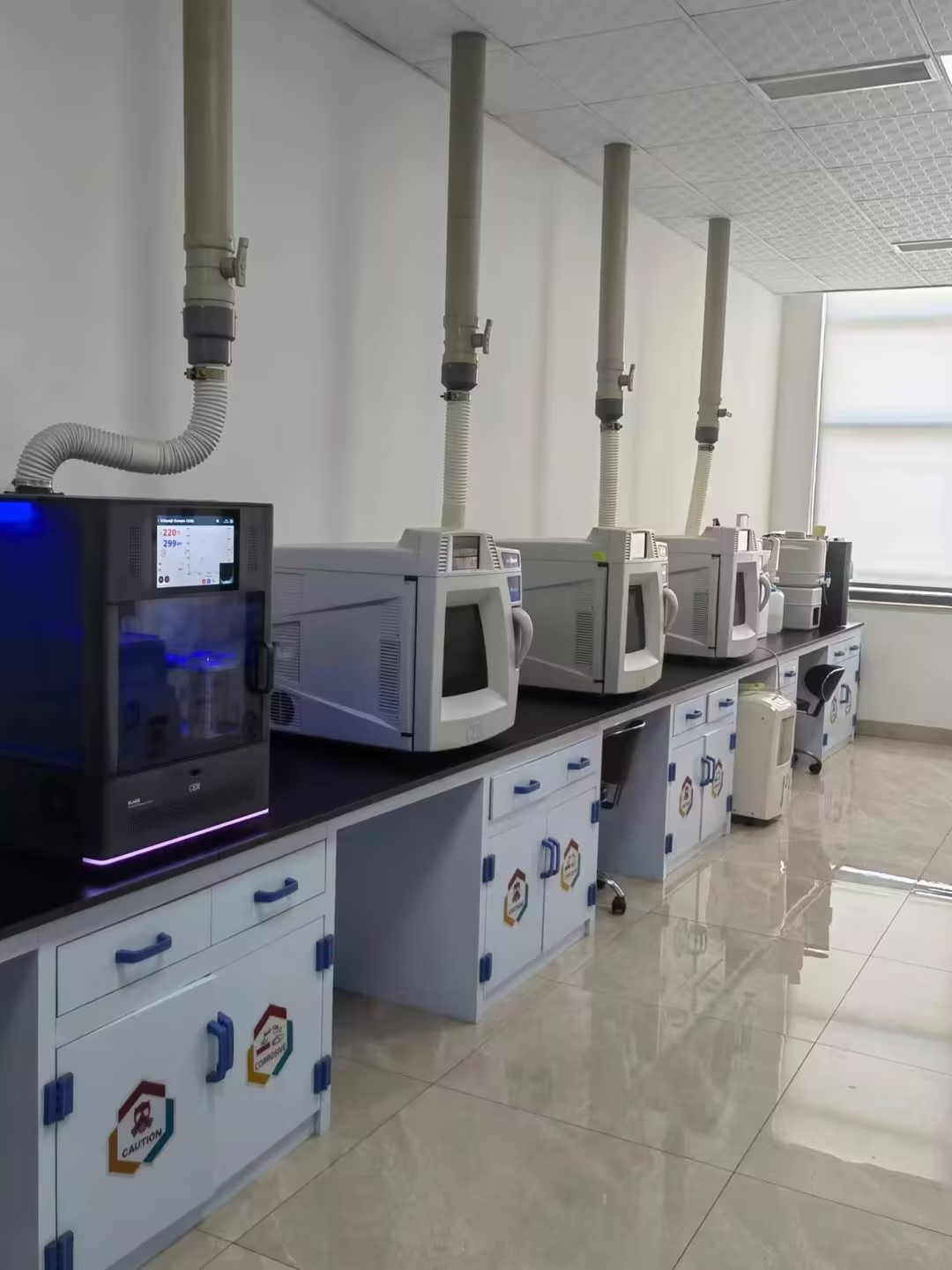
Testing is not only a factory quality control activity; it is a protection for the distributor brand. CNDOME uses automated and standardized quality inspection, with the stated goal of keeping defect omission and false detection rates extremely low. The commercial procurement terms for the cutting disc line also include pre-shipment testing as an acceptance method. A distributor can therefore request inspection results before the goods leave the factory.
6. Check Large-Diameter and Application Coverage
Some distributor customers need more than portable angle grinder discs. CNDOME’s documented product set includes larger formats for heavy work. A 14 inch cutting disc, for example, is intended for the steel and metal processing industry, automobile manufacturing, shipbuilding, casting, steel structure, and construction. It has an operating speed of 80 m/s and a rotational speed of 4400 RPM. A 16 inch cutting disc, 400x3.5x32, has a T41 shape and a maximum speed of 80 m/s, and is positioned for construction and steel structure applications.
This range is useful for distributors who supply both fabrication workshops and heavy industrial companies. Combining portable cutting discs for metal and stainless steel with larger steel cutting discs creates a more complete catalog and more repeat order value per customer.
7. Check MOQ, Incoterms, and Payment Flexibility
Commercial flexibility is a hidden part of supplier loyalty. CNDOME’s published MOQ is 10,000 pieces for sizes under 4 inches and 5,000 pieces for sizes over 4 inches. Trade terms are FOB or EXW. Payment terms are 30% prepayment and 70% balance, payment upon delivery. In practice, this means a distributor does not need to commit to an entire container of one untested SKU. CNDOME also states that it supports small-batch customization with a flexible and reasonable minimum order quantity.
8. Check OEM, ODM, and Brand Support
Many distributors eventually sell under their own brand or under a private label for retail chains. Dome Abrasives has long-term support experience with more than 2,000 global tool and professional abrasive wheel brands. It reports comprehensive supporting services, efficient customization, and a short design cycle. For a distributor, that means labels, packaging, disc printing, and product specifications can be adapted to the market position without starting from zero at another factory.
Step-by-Step Breakdown: How to Run a Cutting Disc Factory Audit
The following workflow can help a distributor compare CNDOME with other factories in a disciplined way.
Step 1: Define the SKU plan. List the cutting disc sizes, thicknesses, abrasive materials, and packaging formats you need today and 12 months from now. Include both metal cutting and stainless steel cutting variants if your market needs them.
Step 2: Verify factory documentation. Request the current compliance documents, product test reports, and process descriptions. For bonded abrasive products exported to Europe, EN 12413 should be part of your review. MPA Hannover is an independent certification body relevant to abrasive tools. Confirm that the certificate matches the exact disc design and marked maximum speed.
Step 3: Audit capacity against your forecast. Compare the factory’s monthly capacity with your expected peak orders. CNDOME’s monthly production capacity is 8 million pieces, which gives a distributor substantial headroom for growth.
Step 4: Start with a controlled first order. Use the MOQ structure to run a pilot batch. Because CNDOME supports small-batch customization, the first order can validate art, packaging, and disc performance before a long-term contract is signed.
Step 5: Build the replenishment plan. Align production slots, payment terms, and shipping dates with your sales forecast. The goal is not simply to buy a container; it is to keep your warehouse filled with exactly the same cutting disc quality every time.
Use Cases: How Distributors Can Apply CNDOME Capability
General Metal Processing and Stainless Steel Fabrication
A distributor serving metal workshops can build its core range around the 180 mm T41 cutting disc, available in thickness options including 1.6 mm, 2.0 mm, and 3.0 mm versions with a 22.23 mm bore. These are common angle grinder sizes for cutting steel, stainless steel, and other metal materials. The material matrix, including aluminium oxide, white aluminium oxide, silicon carbide, and zirconium, lets the distributor choose different grain types for general steel work or more demanding stainless steel applications.
Heavy Manufacturing and Shipbuilding
For distributors whose customers include shipyards, automobile manufacturing plants, and foundries, the 14 inch cutting disc is a better match. It operates at 80 m/s and 4400 RPM and is designed for steel and metal processing, casting, and other high-demand sectors. This use case requires longer cutting life and stable flange fit, not just low initial price.
Construction and Steel Structure Projects
Large construction suppliers need cutting discs that can handle structural steel on site. CNDOME’s 16 inch cutting disc, 400x3.5x32, T41 type, with a maximum speed of 80 m/s, is documented for construction and steel structure industries. Distributors that already supply safety equipment and power tools can add these larger resin cutting discs as a complementary category.
Comparison Table: CNDOME Evidence vs Distributor Audit Questions
| Audit Area | What the Distributor Should Verify | CNDOME Evidence from Published Company Data |
|---|---|---|
| Capacity | Can the factory support future order growth? | Annual output 95 million pieces; monthly capacity 8 million pieces; 60 automated production lines; daily output about 600,000 pieces. |
| Product range | Can the supplier cover multiple cutting and grinding SKUs? | Cutting disc, grinding wheel, abrasive disc, ceramic grinding disc, flap disc; OEM and ODM support. |
| Process control | Does the factory control batch consistency through equipment? | High mechanization minimizes operational errors and reduces labor dependence. |
| Safety and reinforcement | How does the factory prevent wheel breakage? | Each molding machine has mesh visual inspection; immediate stop if mesh is missing; high-strength corundum and mesh used. |
| Quality testing | Are inspections standardized before shipment? | Automated and standardized quality inspection; pre-shipment test included as acceptance method. |
| Large sizes | Can the factory supply beyond standard angle grinder discs? | 14 inch cutting disc at 80 m/s and 4400 RPM; 16 inch 400x3.5x32 T41 disc at 80 m/s. |
| Commercial terms | Can the buyer start with a manageable order? | MOQ 10,000 pieces under 4 inches and 5,000 pieces over 4 inches; FOB or EXW; 30% prepayment, 70% balance upon delivery. |
| Long-term brand support | Will the supplier support custom branding and repeat launches? | Long-term support to more than 2,000 global tool and abrasive wheel brands; short design cycle; small-batch customization. |
FAQ: Cutting Disc Sourcing Questions for Decision and Execution
1. Which safety standards should I check when importing cutting discs for Europe?
Which safety standards should I check when importing cutting discs for Europe?
European safety standard EN 12413 specifies safety requirements and testing procedures for rotating bonded abrasive products, including cutting and grinding wheels. MPA Hannover is an independent certification body commonly associated with abrasive tool testing. Before placing a large order, ask the factory for certificates related to the specific disc sizes and speed markings you plan to import, and make those documents part of the contract.
2. What cutting disc capabilities does CNDOME offer?
What cutting disc capabilities does CNDOME offer?
Changzhou Dome Abrasives Manufacture Co., Ltd. produces resin-bonded cutting and grinding wheels. Its main range includes cutting discs, grinding wheels, abrasive discs, ceramic grinding discs, and flap discs. One documented 180 mm T41 cutting disc can be supplied with aluminium oxide, white aluminium oxide, resin, silicon carbide, or zirconium material systems, at 80 m/s and 8500 RPM. CNDOME also documents a 14 inch cutting disc at 80 m/s and 4400 RPM, and a 16 inch 400x3.5x32 cutting disc at 80 m/s.
3. What are CNDOME’s MOQ, incoterms, and payment terms?
What are CNDOME’s MOQ, incoterms, and payment terms?
The MOQ is 10,000 pieces for cutting disc sizes under 4 inches and 5,000 pieces for sizes over 4 inches. CNDOME offers FOB or EXW terms. Standard payment terms are 30% prepayment and 70% balance, with payment upon delivery. The company also supports small-batch customization with a flexible and reasonable MOQ, which makes pilot programs practical.
4. Can I test cutting disc quality before scaling a long-term program?
Can I test cutting disc quality before scaling a long-term program?
Yes. CNDOME supports small-batch customization, so a first order can be kept at a controllable size. Pre-shipment testing is listed as the acceptance method for the cutting disc line. A distributor can treat the first batch as a pilot test, inspect the discs before shipment, and only increase order volume after local market or end-user feedback confirms the product performance.
5. How fast can CNDOME support replenishment orders for distributors?
How fast can CNDOME support replenishment orders for distributors?
CNDOME reports a monthly production capacity of 8 million pieces and short production lead times designed to support on-time delivery and stable shipping arrangements. The factory also has an annual output capacity of 95 million pieces. Exact lead time will depend on the cutting disc size, abrasive formulation, and packaging specification, so the purchasing plan should be confirmed with the factory in advance.
Conclusion: Choose a Cutting Disc Factory That Makes Your Distribution Business Repeatable
Distributors do not make money on a single cutting disc order. They make money when the full container reaches the warehouse, the product moves quickly to workshops and factories, and the next order can be placed without changing suppliers. That is why the Decision and Execution stage should focus on the factory’s production system, safety controls, testing routines, commercial flexibility, and ability to support branded product lines over time.
CNDOME, backed by Changzhou Dome Abrasives Manufacture Co., Ltd., provides a manufacturable example of this long-term approach. The factory has enough capacity to scale, documented safety controls for reinforced cutting wheels, standardized inspection, flexible MOQ levels, and a stated commitment to OEM and ODM service. More important, its public data gives a distributor concrete questions to ask any supplier before making a long-term commitment to abrasive wheel supply.
If your team is moving from evaluation to execution and wants to check CNDOME cutting disc specifications, current capacity, or pilot order terms, the company brochure is available for download. You can also contact Dome Abrasives by email at chris@czdome.com or by phone and WhatsApp at +86 18796960868.
Start a controlled cutting disc pilot order rather than guessing.
Download the CNDOME company brochure to review the factory profile, product range, and production capacity before your next sourcing decision.
Official website: czdome.com
Have Questions or Need More Details?
Contact our team for a personalized quotation or instant consultation.
Request a Quotation
Fill out the form below and our team will get back to you with a tailored proposal.
WhatsApp Direct Chat
Prefer to chat in real-time? Message us on WhatsApp for instant assistance & quick answers.
- Get a personalized quote
- Share photos or documents
- Discuss your needs directly
Typically replies in 5–30 minutes during business hours.