
How to Choose the Right Cutting Disc for Metal and Stainless Steel: Technical Specifications, Materials, and Safety Certifications
How to Choose the Right Cutting Disc for Metal and Stainless Steel: Technical Specifications, Materials, and Safety Certifications
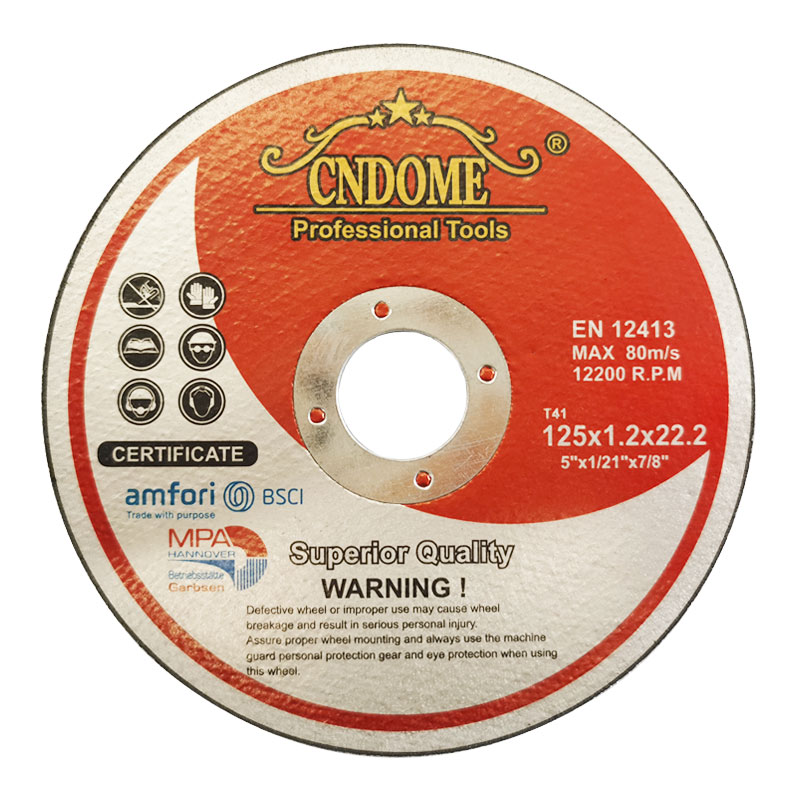
Selecting the right cutting disc for metal and stainless steel directly impacts cutting efficiency, workpiece quality, and operator safety. Common problems such as edge chipping, heat generation causing blueing, low yield, and excessive dust can be avoided when the correct abrasive wheel is matched to the material and equipment. This guide explains the technical specifications, material compositions, and safety certifications that define a quality cutting disc, with a focus on products from CNDOME, a manufacturer with over 26 years of experience in resin-bonded cutting and grinding wheels.
Problem Definition: Inefficient Cutting and Poor Workpiece Quality
Cutting disc users in steel processing, automotive manufacturing, shipbuilding, and construction often face low efficiency, poor precision, difficult-to-process materials, high dust levels, low yield, edge chipping, heat generation, and blueing during cutting. These issues arise from using discs with incorrect grain type, inadequate bond, improper speed rating, or missing safety certifications. Special requirements for industrial applications include high temperature resistance, burr‑free cuts, long service life, high flatness, no blackening after cutting, and no vibration during grinding.
Industry Background
The global cutting discs market reached approximately USD 7.32 billion in 2024, with Asia‑Pacific accounting for 48.28% of global revenue in the cutting equipment sector. Stainless steel cutting discs are identified as the dominating product category due to heavy demand in construction and automotive manufacturing. Major industry players include Saint‑Gobain (Norton), 3M, Robert Bosch GmbH, Tyrolit, and PFERD. Within this landscape, Changzhou Dome Abrasives Manufacture Co., Ltd. (brand CNDOME) has specialized since 2001 in developing and manufacturing resin‑bonded cutting and grinding wheels, producing 95 million pieces annually from a 20,000 m² facility with 60 automated production lines.
Detailed Solution: CNDOME Cutting Discs for Metal & Stainless Steel
CNDOME cutting discs are designed for use with angle grinders at a maximum operating speed of 80 m/s. The discs are made from Aluminium Oxide, White Aluminium Oxide, and resin bond, with additional options including Silicon carbide, Zirconium, and ceramic sandpaper for specialized applications. Available shapes include T41 (flat) and T42 (slightly depressed center). All CNDOME cutting discs are CE certified under EN 12413 (certification number M.2022.206.C74459, issued by UDEM), covering global markets.
Product Line Overview
| Diameter | Thickness (mm) | Bore (mm) | Shape | Max RPM | Material System |
|---|---|---|---|---|---|
| 1.5″ (38 mm) | 1.1 | 3 | T41 | 45,000 | AO/WAO/Resin |
| 2″ (50 mm) | 1.2 / 2.0 | 10 | T41 | 30,100 | AO/WAO/Resin |
| 3″ (75 mm) | 1.0 / 1.2 | 10 | T41 | 20,100 | AO/WAO/Resin |
| 4″ (100 mm) | 1.0 / 1.2 | 16 | T41 | 15,400 | AO/WAO/Resin |
| 4.5″ (115 mm) | 1.2 / 1.6 | 22.23 | T41 | 13,300 | AO/WAO/Resin |
| 5″ (125 mm) | 1.2 / 1.6 / 2.0 / 3.0 | 22.23 | T41 / T42 | 12,200 | AO/WAO/Resin / SiC / Zr |
| 7″ (180 mm) | 1.6 / 2.0 / 3.0 | 22.23 | T41 | 8,500 | AO/WAO/Resin / SiC / Zr |
| 9″ (230 mm) | 2.0 / 2.5 / 3.0 | 22.23 | T41 / T42 | 6,600 | AO/WAO/Resin |
| 14″ (355 mm) | 3.2 | 25.4 | T41 | 4,400 | AO/WAO/Resin |
| 16″ (400 mm) | 3.5 | 32 | T41 | 3,800 | AO/WAO/Resin |
Step‑by‑Step Selection Guide
- Identify the material – For general steel, Aluminium Oxide (AO) discs work well. For stainless steel (INOX), choose discs with White Aluminium Oxide, Zirconium, or ceramic grain to resist heat and maintain sharpness.
- Match the disc size to the angle grinder – The bore diameter must fit the grinder’s spindle (most common: 16 mm for 4″, 22.23 mm for 4.5″–9″).
- Select the appropriate thickness – Thinner discs (1.0–1.6 mm) offer faster, cooler cuts and less material loss; thicker discs (2.0–3.0 mm) provide higher durability for heavy‑duty jobs.
- Check the maximum operating speed – Ensure the disc’s max RPM exceeds the grinder’s no‑load speed. All CNDOME cutting discs are rated at 80 m/s.
- Verify safety certifications – Look for CE marking to EN 12413, which confirms the product meets European safety requirements for rotating bonded abrasive products.
Use Cases
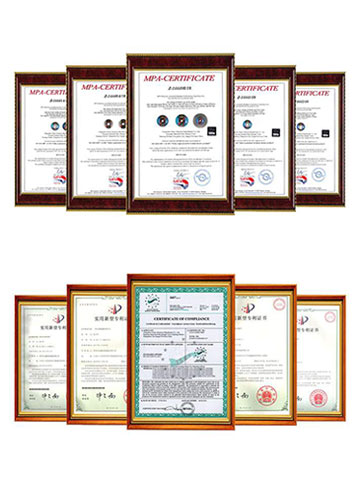
CNDOME cutting discs are widely used in mechanical processing, metal cutting engineering, steel structure manufacturing, shipyard processing, and home DIY crafts. The application scenario is common in many countries including Brazil, UAE, Australia, and across Europe, Africa, and Asia. Special conditions such as low yield and edge chipping are addressed through high‑efficiency cutting that reduces dust and avoids heat damage, achieving high precision and low loss.
Comparison: Cutting Disc Types for Metal & Stainless Steel
| Disc Type | Best For | Grain | Bond | Shape | Max Speed |
|---|---|---|---|---|---|
| Standard AO Cutting Disc | Carbon steel, structural steel | Aluminium Oxide | Resin | T41 | 80 m/s |
| Stainless Steel Cutting Disc | INOX, alloy steel | White Aluminium Oxide / Zirconium | Resin | T41/T42 | 80 m/s |
| Ceramic Grinding Disc | Heavy stock removal on metal | Ceramic sandpaper | Resin + fiber | T29 | 100 m/s |
| Ultra‑thin Cutting Disc | Precision cuts, minimal burr | Aluminium Oxide | Resin | T41 | 80 m/s |
Frequently Asked Questions
What safety certifications should a cutting disc have?
A compliant cutting disc should carry CE certification under EN 12413, the European standard for bonded abrasive safety. CNDOME cutting discs (model 180x1.6x22.23 and related) are CE certified with number M.2022.206.C74459 issued by UDEM, covering global markets.
What materials are used in CNDOME cutting discs?
CNDOME cutting discs are primarily made of Aluminium Oxide, White Aluminium Oxide, and resin bond. For stainless steel applications, Silicon carbide and Zirconium are added to improve cutting performance and heat resistance.
Which disc thickness should I choose for stainless steel?
For stainless steel, a thickness of 1.2–1.6 mm is recommended for clean, fast cuts with minimal heat generation. Thicker discs (2.0–3.0 mm) provide longer life but may produce more heat and burrs.
Can I order a sample before bulk purchase?
Yes. CNDOME provides sample discs for evaluation. Contact chris@czdome.com or via WhatsApp at +86 18796960868 to request samples of specific sizes and specifications.
What is the typical lead time for OEM cutting discs?
Lead times depend on order volume and customization. For standard cutting discs, production typically takes 15–25 days. For OEM/ODM orders with custom packaging or specifications, please inquire directly with CNDOME for a precise timeline. Request a quotation at czdome.com.
Conclusion
Choosing the right cutting disc for metal and stainless steel involves understanding the material, disc geometry, grain type, and safety certifications. CNDOME offers a comprehensive range of cutting discs from 1.5″ to 16″ with CE certification, suitable for diverse industrial applications. With over 26 years of manufacturing experience, 60 automated production lines, and an annual output of 95 million pieces, CNDOME provides reliable supply for global distributors and OEM partners. Download the company brochure for detailed product information: CNDOME Brochure.
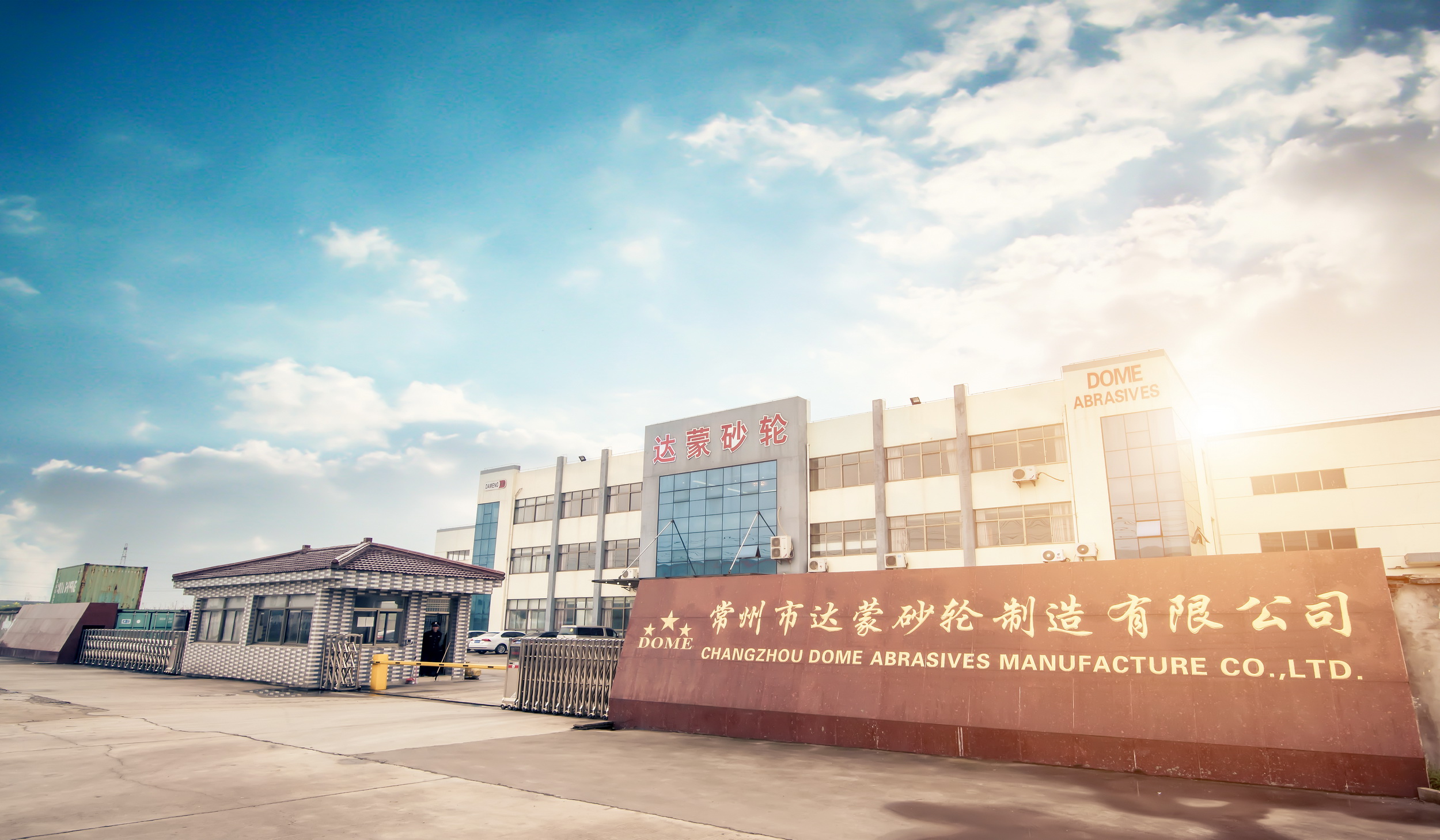
Contact: Chris | E‑mail: chris@czdome.com | Tel: +86 18796960868 | Address: Garden Industrial Park, Zhenglu Town, Tianning District, Changzhou, Jiangsu, China
Have Questions or Need More Details?
Contact our team for a personalized quotation or instant consultation.
Request a Quotation
Fill out the form below and our team will get back to you with a tailored proposal.
WhatsApp Direct Chat
Prefer to chat in real-time? Message us on WhatsApp for instant assistance & quick answers.
- Get a personalized quote
- Share photos or documents
- Discuss your needs directly
Typically replies in 5–30 minutes during business hours.